
The Ultimate Guide to Staying Warm and Fabulous During Winter Months
As winter descends across America, with temperatures plummeting from Maine to Montana and Florida to Washington, millions of Americans face the same seasonal challenge: how to stay warm without sacrificing style. Whether you’re braving Chicago’s windy streets, navigating New York City’s subways, or enjoying the crisp air of Colorado’s mountains, mastering cold weather layering is essential for both comfort and confidence. The secret isn’t just bundling up—it’s strategically layering clothing to create a system that keeps you warm, dry, and looking effortlessly chic.
For over a decade of designing winter collections for American retailers, I’ve seen how proper layering transforms winter wardrobes from functional to fashionable. The truth is, winter dressing in America has evolved far beyond simply adding more sweaters—it’s about creating intelligent systems that work with your body’s natural temperature regulation. In this comprehensive guide, we’ll explore the science, strategy, and style behind layering like a professional designer, with practical advice tailored specifically for the diverse climates and fashion sensibilities of the United States. No more choosing between warmth and style—you can have both when you understand layering principles that work for your daily life.
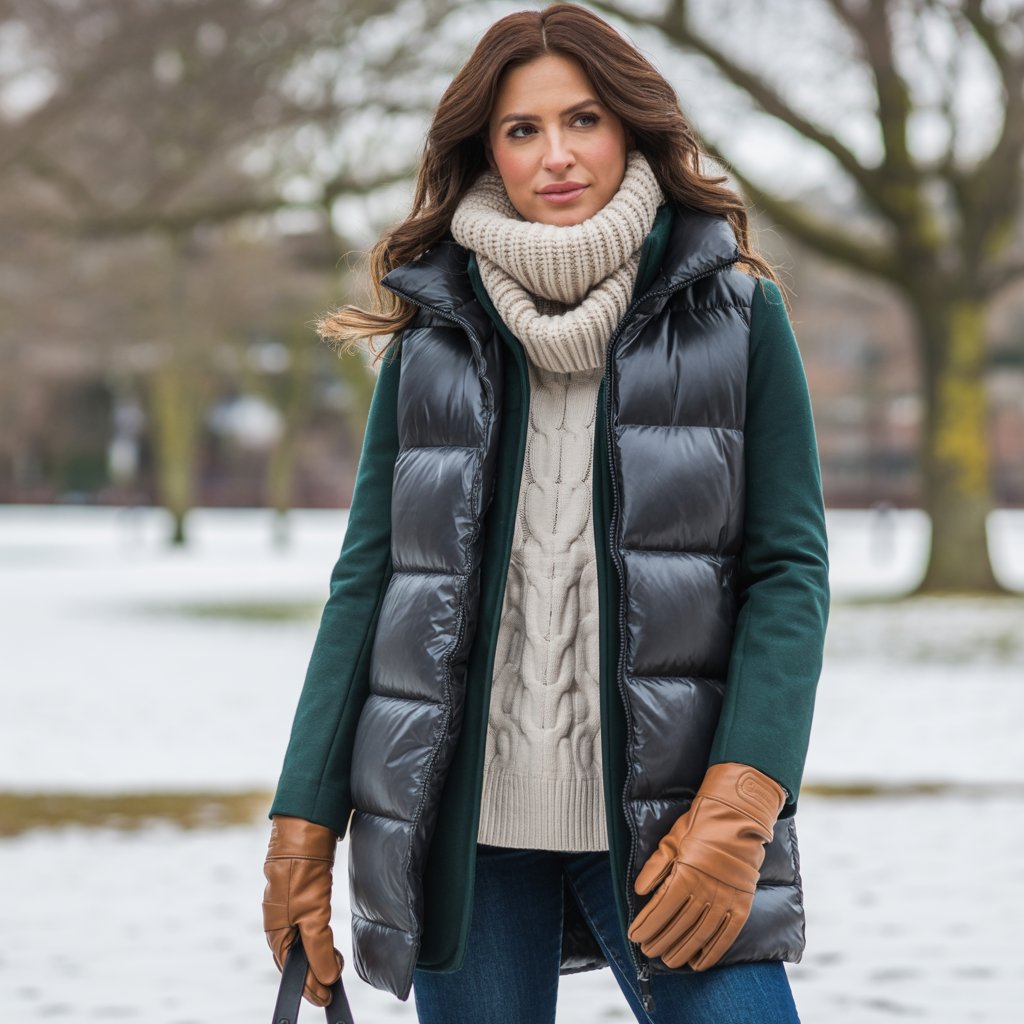
The Science Behind Effective Layering
Understanding the Three-Layer System
The foundation of effective cold-weather dressing rests on the three-layer system, a principle embraced by outdoor enthusiasts and fashion professionals alike. This isn’t just some trendy concept—it’s grounded in thermodynamics and human physiology. The system consists of a base layer that manages moisture against your skin, a mid-layer that provides insulation by trapping body heat, and an outer layer that shields you from wind, rain, and snow. When these layers work together harmoniously, they create a microclimate around your body that maintains optimal temperature regardless of the frigid conditions outside.
This approach solves the fundamental problem many Americans face: arriving at the office overheated after your commute, only to freeze once you’re stationary at your desk. As designer and layering expert Emily Chen explains, “The genius of the three-layer system is its adaptability—you can add or remove layers as conditions change throughout your day, creating a personalized climate control system.” This flexibility makes it perfect for the American lifestyle, where we transition between heated cars, freezing sidewalks, and variable office temperatures multiple times daily.
| Layer | Purpose | Key Characteristics |
|---|---|---|
| Base Layer | Moisture management | Thin, form-fitting, moisture-wicking fabrics like merino wool or technical synthetics that keep you dry by moving sweat away from skin |
| Mid-Layer | Insulation | Medium weight fabrics that trap body heat through trapped air pockets—fleeces, sweaters, vests, or quilted pieces that provide warmth without restricting movement |
| Outer Layer | Protection | Weather-resistant fabrics that shield from elements while allowing some breathability—think water-resistant shells, wool coats, or treated technical fabrics that block wind without creating a sauna effect |
Why Layering Works Better Than Single Heavy Garments
The common misconception that “more bulk equals more warmth” actually works against you in cold weather. A single thick garment creates only one layer of insulation, while strategic layering creates multiple air pockets between fabrics—each pocket trapping warm air that your body heats naturally. Vuori Clothing’s layering guide confirms that “proper layering traps body heat in multiple thin layers rather than one heavy garment, providing more efficient insulation with greater flexibility.”
Think of layering like building a thermos for your body. Just as a thermos uses multiple walls with vacuum spaces to maintain temperature, your clothing layers create insulating pockets of air that your body heats and maintains. The right combination actually makes you warmer with less weight—critical for Americans who need to move efficiently through daily commutes and work environments. Moreover, layering prevents the common pitfall of overheating and sweating, which then leads to dangerous chilling when you stop moving. Fashion expert Leah Wise emphasizes, “Starting with your thinnest and most breathable materials first and gradually increasing thickness and insulation is the key to staying comfortable and dry.”
Pro Tip: The Air Pocket Principle
- When layering, ensure each layer is slightly larger than the one beneath it to create optimal air pockets without restricting movement
- Choose fabrics with textured surfaces (like ribbed knits) that naturally create more air space between layers
- Avoid compression—don’t wear your outer layer so tight that it squeezes out the insulating air pockets in your mid-layers
- Certain fabrics like merino wool maintain their loft (and insulating properties) even when damp, making them ideal mid-layers for active days
Choosing the Right Fabrics for American Winters
Natural vs. Synthetic Materials
When designing for American clients across various climates, I’ve learned that fabric choice makes or breaks your layering system. The ongoing debate between natural and synthetic materials largely depends on your specific needs and activities. Merino wool has become the gold standard for base layers because it provides exceptional warmth-to-weight ratio, naturally regulates temperature, and wicks moisture while resisting odor—perfect for professionals who commute and then sit at desks all day. Meanwhile, technical synthetics like PrimaLoft® offer impressive insulation even when wet, making them ideal for our increasingly unpredictable American winters.
In my experience testing fabrics across North America, the most successful winter wardrobes combine both natural and synthetic elements strategically. For instance, a merino wool base layer provides natural temperature regulation against your skin, while a synthetic insulated vest traps heat efficiently in your core where you need it most. A Vogue article on winter layering notes that “layering can be used as an aesthetic amplifier—wearing visibly contrasting hues, combining opposing textures, or blending varying hemlines and lengths,” which is precisely why mixing fabric types creates both functional and visual interest.
The Temperature-Specific Layering Guide
Understanding which materials work best at different temperature ranges is crucial for dressing appropriately across America’s diverse winter landscapes—from Miami’s mild winters to Minneapolis’s subzero conditions. The chart below, developed through years of fabric testing in varying conditions, shows the optimal layering combinations for specific temperature ranges:
| Temperature Range | Base Layer | Mid-Layer(s) | Outer Layer | US Regions |
|---|---|---|---|---|
| 30°F-50°F | Lightweight merino or technical tee | Lightweight sweater or hoodie | Trench coat or wool blazer | South, West Coast, Mid-Atlantic |
| 15°F-30°F | Midweight thermal base layer | Fleece or medium-weight sweater + vest | Water-resistant insulated jacket | Midwest, Northeast, Mountain states |
| Below 15°F | Heavy thermal base layer | Heavy wool sweater + insulated vest | PrimaLoft® insulated parka with windproof shell | Upper Midwest, Northern New England, Alaska |
When advising clients on winter dressing, I always emphasize that the quality of your layering pieces directly impacts your comfort and appearance. A cheap polyester “thermal” shirt might be marketed as winter wear, but it won’t effectively wick moisture like a genuine merino wool base layer. Similarly, your outer layer should feature water-resistant or waterproof properties depending on your regional precipitation patterns—this isn’t just about staying dry, but about maintaining your body heat when exposed to winter elements.
“Quality always makes a difference—but especially so when you’re dressing for cold weather. An ultra-luxurious cashmere sweater and a fast-fashion sweater may look similar from afar, but wear them outside on a windy day, and the difference will become chillingly clear.”
— M.M. LaFleur layering expert
Style Considerations for the American Wardrobe
Balancing Functionality and Fashion
One of the most frequent concerns I hear from American clients is the fear of looking bulky when layering for winter. The solution lies in understanding proportional layering—creating visual balance through strategic fabric weights and silhouettes. In New York City especially, where professionals move from outdoor commutes to climate-controlled offices, mastering this balance is essential. The key is to maintain clean lines while incorporating multiple layers: try a thin turtleneck under a tailored button-down, topped with a streamlined sweater, then a structured coat.
Americans often underestimate how much color and texture affect the perception of bulk. Darker colors and smooth textures create a slimming effect, while textured knits and lighter colors can add visual weight. This is why I recommend building your winter layering around a neutral color foundation (navy, charcoal, black, or camel) with strategic pops of color at the collar or cuffs—where they’ll be visible when you remove outer layers indoors. According to M.M. LaFleur’s layering guide, “The key to an effective layering system is to start with a fitted style that helps trap body heat while still allowing for some airflow, keeping you warm and dry.”
Layering for Different American Lifestyles
Your winter layering strategy should reflect your daily activities and regional climate. Here’s how to adapt layering principles for specific American contexts:
- Urban Professionals: Opt for sleek layering with a merino base, fine-gauge sweater, and tailored wool coat. The magic happens in the details—try a cashmere crewneck under a silk-blend button-down for office warmth without bulk.
- Active Lifestyles: Focus on technical fabrics that manage moisture during activity. A moisture-wicking base layer, performance fleece mid-layer, and lightweight shell provides maximum warmth-to-weight ratio for those walking across college campuses or hiking trails.
- Suburban Commuters: Plan for temperature swings between heated cars and cold doorsteps. A versatile system includes a lightweight down vest as your mid-layer, which slips easily over sweaters but under coats, allowing quick adjustments.
- Formal Occasions: Layering for evening events requires finesse. A silk camisole under a thin cashmere sweater, topped with a tailored blazer in winter-weight fabric, keeps you warm without compromising elegance.
Pro Tip: The 70/30 Rule For Layering
When selecting your mid-layers, follow this percentage rule for ideal warmth distribution:
- 70% of your warmth should come from your top two layers (base + mid) which are closest to your core
- 30% should come from your outer layer, which primarily provides wind and weather protection
- This approach prevents the common mistake of relying too heavily on a single heavy outer layer that restricts movement and creates temperature instability
- For Americans, this means investing in quality mid-layers—your wool sweater or insulated vest does more to keep you warm than your coat!
Seasonal Transition Layering Strategies
From Fall to Winter: A Gradual Approach
As a designer who creates seasonal collections for American retailers, I’ve observed that the most stylish people don’t change their entire wardrobe when temperatures drop—they adapt and enhance their existing pieces. The transition from fall to winter is where layering truly shines as both a functional and aesthetic tool. Start by incorporating lightweight knits like fine-gauge merino sweaters that layer beautifully over button-downs you already own. Then, as temperatures continue to fall, introduce medium-weight insulating layers such as vests or quilted pieces that provide warmth without overwhelming your silhouette.
This gradual approach serves Americans well because our climate varies dramatically across regions and even within seasons—what works in early November may be inadequate by late December. As designer Cortne Bonilla noted in Vogue’s winter layering guide, layering “can be used as an aesthetic amplifier—wearing visibly contrasting hues, combining opposing textures, or blending varying hemlines and lengths.” For example, try layering a lightweight turtleneck under a chambray shirt with a tailored overshirt, then add a wool coat as temperatures drop. This creates visual interest while providing practical warmth adjustments throughout the season.
Creating Year-Round Layering Versatility
The secret to a truly effective American winter wardrobe isn’t buying more—it’s strategically investing in pieces that work across seasons. Look for transitional fabrics like midweight merino wool that provides warmth in winter but won’t overheat you during milder days. The goal is to create a modular system where each piece plays multiple roles throughout the year. Consider these versatile investments:
- A structured overshirt in winter-weight cotton or wool blend serves as both a mid-layer in winter and an outer layer in spring
- A lightweight down vest provides essential core warmth in winter and functions as a base layer under blazers during spring/fall
- Quality merino wool basics (in 150-200g weights) work as base layers in winter and standalone pieces during milder seasons
This approach aligns perfectly with American lifestyle demands—maximizing value from each piece while maintaining stylish flexibility as temperatures shift. By building your wardrobe around these transitional pieces, you’ll create a more sustainable and cost-effective approach to cold-weather dressing that serves you well across multiple seasons.
Final Thoughts: Mastering Winter Layering
Layering isn’t just about staying warm—it’s about creating a sophisticated personal style system that adapts to your life as an American navigating diverse winter conditions. The most stylish people I’ve worked with understand that layering represents an opportunity to express creativity and intentionality with their wardrobe, turning functional necessity into fashion advantage.
Remember: the right layering creates effortless transitions between environments without constant outfit changes, conserves energy by maintaining optimal body temperature, and ultimately makes winter dressing enjoyable rather than a chore. As you build your winter wardrobe, focus on quality pieces that work together as a system, not in isolation. Invest in your base and mid-layers—they do the heavy lifting of keeping you warm—while choosing outer layers that reflect your personal style.
This winter, embrace the challenge of cold-weather dressing as an opportunity to refine your style and comfort. With these professional layering strategies, you’ll not only survive but thrive during America’s coldest months, looking polished and feeling perfectly comfortable regardless of the thermometer reading.
